If you pass a nearly 20-foot tall badminton shuttlecock on a drive in Kansas City, you know you’ve passed the Nelson-Atkins Museum of Art. The museum is definitely one of KC area’s highlights, and my dad often likens it to a smaller version of the Metropolitan Museum of Modern Art – a high compliment from a New York City native. Home to many diverse galleries, you can spend hours in Nelson-Atkins. Its collections span centuries and encompass countless art forms, from sketches and paintings to sculptures and stained glass.
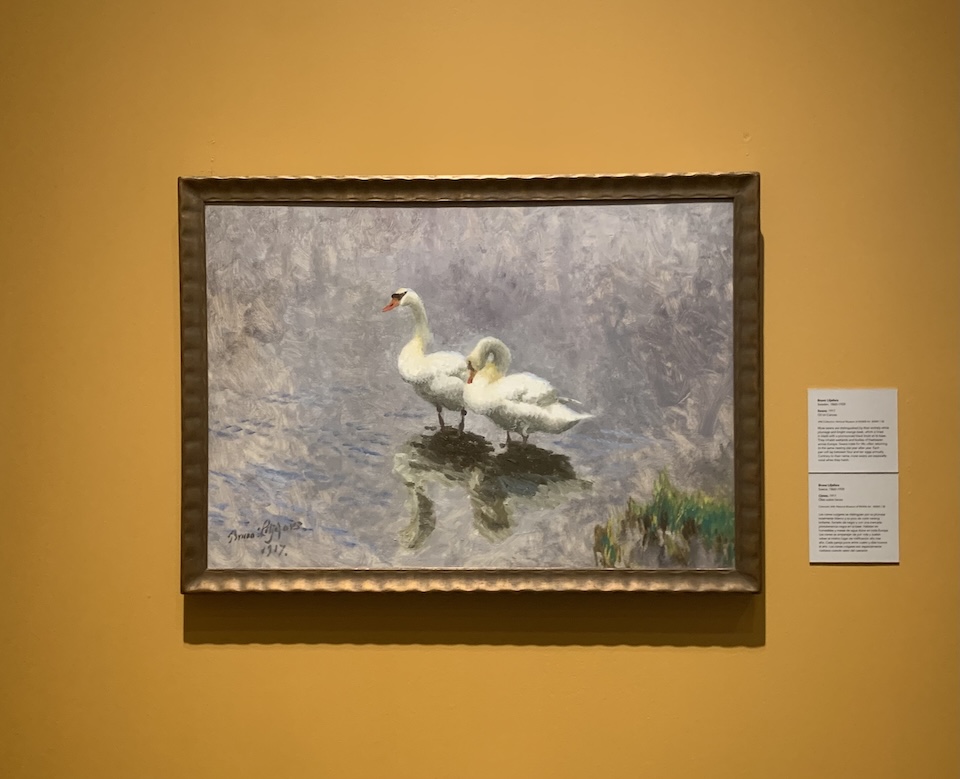
My family recently made a trip out to Nelson-Atkins to see a temporary exhibit titled “Survival of the Fittest: Picturing Wildlife and Wilderness,” which is on display until August 24, 2025. “Survival of the Fittest” is Nelson-Atkins’ first wildlife exhibit and features paintings by four different artists, each expertly displayed. I expected the exhibit to be relatively small, but you could spend a couple hours there to truly take in the details in every painting. Below are photos of some of my family’s favorite paintings, and hopefully it will inspire you to visit such a beautiful exhibit and museum.
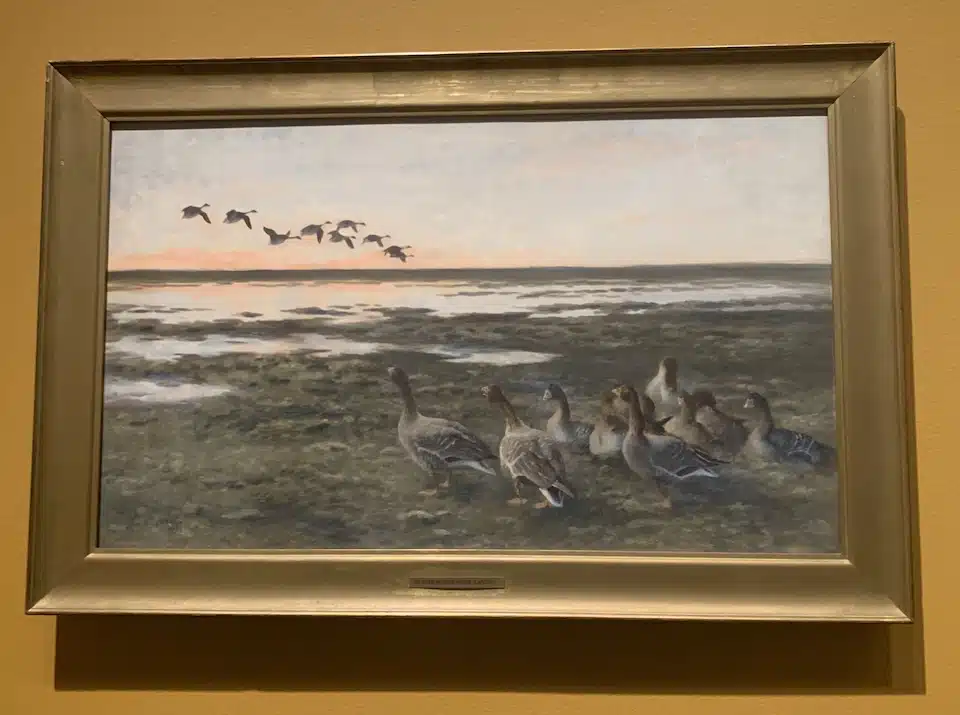
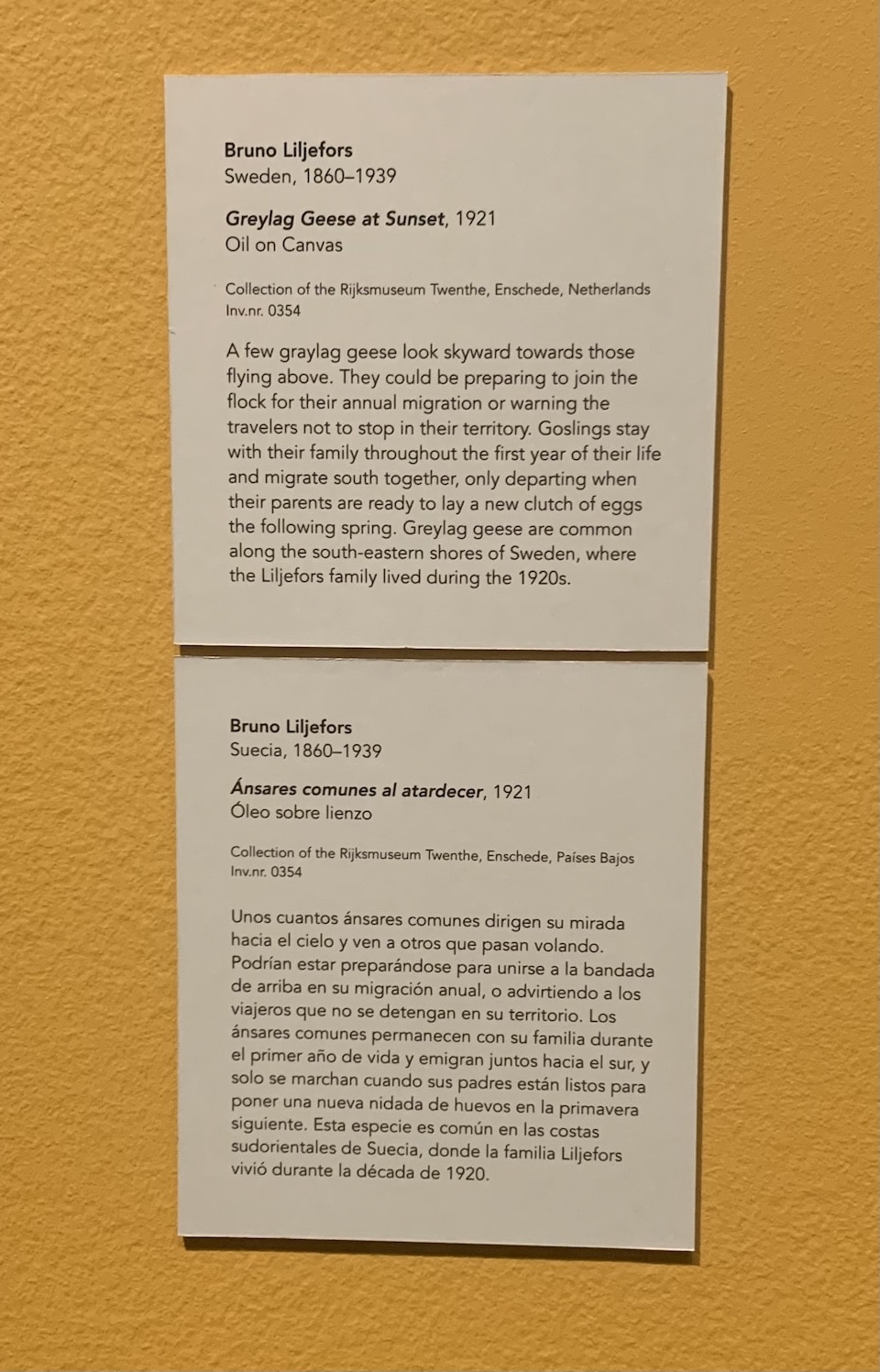

Photo: Moose in Winter Survival of the Fittest
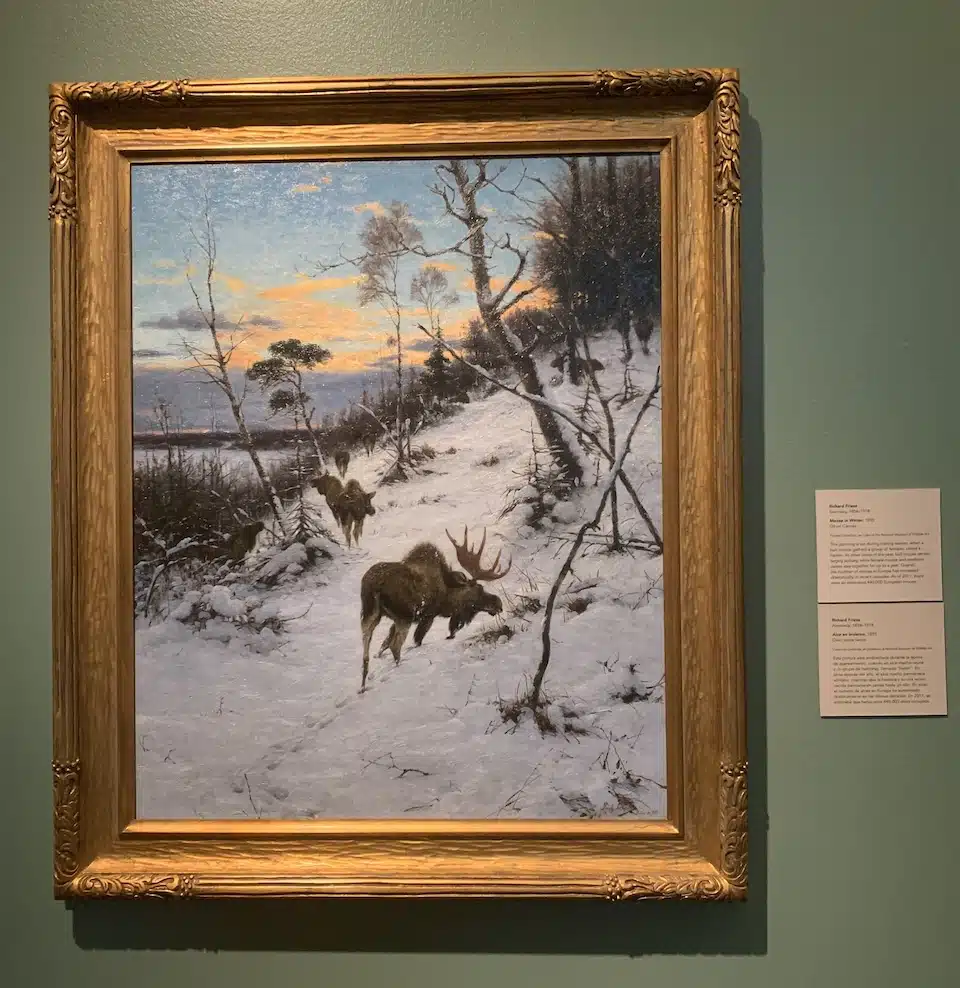

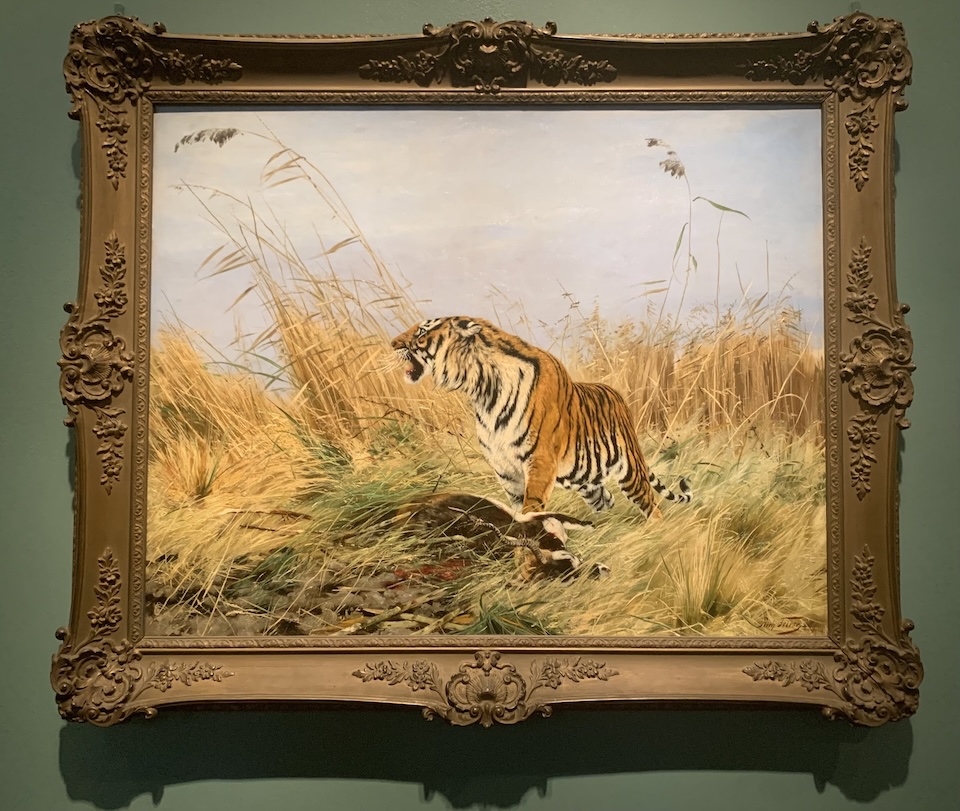

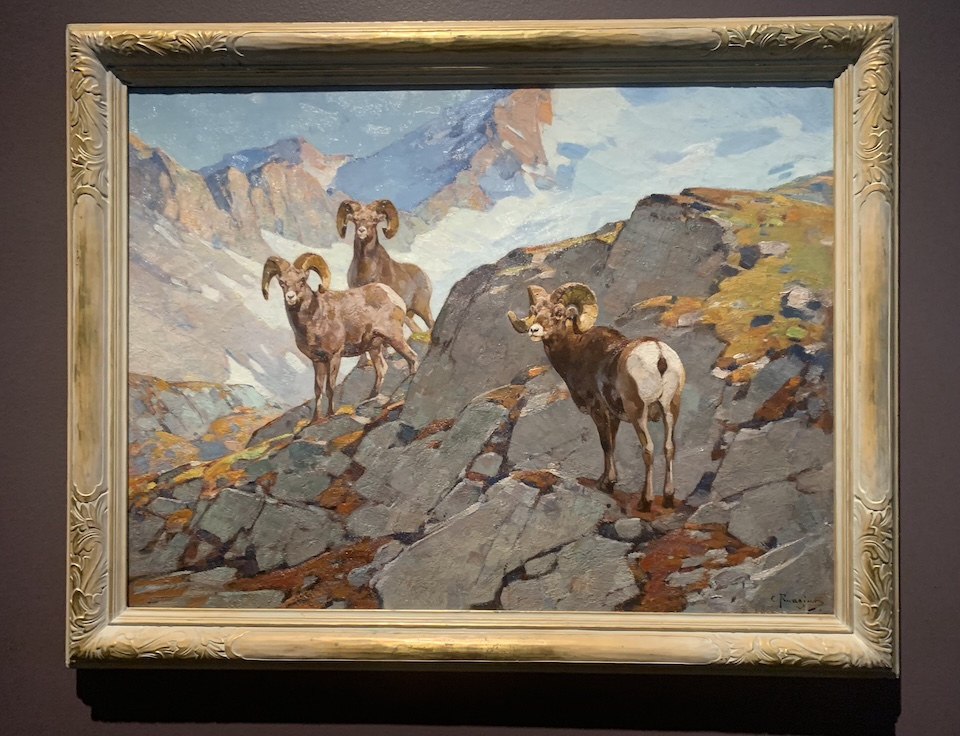


I often struggle to understand the meaning behind art, and I don’t think I’m alone in that. However, I can look at a piece of art like Wilhelm Kuhnert’s “Guinea Fowl” and compare it to the guinea fowl that I hatched and cared for as a poultry owner, or admire Richard Friese’s many moose paintings and remember the moose I once saw on a road trip. Everyone has experiences with nature and can appreciate this art in a unique way. Perhaps someone might even be inspired to get out in nature and try to see the animals featured in these paintings. That is why “Survival of the Fittest” embodies the ideal exhibit, permanent or temporary, in so many ways. It can be both universal and unique, and is a true gem in the museum world.
Visit the Nelson-Atkins Museum of Art at its website, and the “Survival of the Fittest” exhibit. To see current, upcoming and past exhibitions, visit Nelson-Atkins’ exhibition page.

Madeleine Golob, formerly “Anna,” is our intern at the “Women’s Outdoor News,” and manages the “Gal Gab” column. She also pens features and takes care of our Pinterest activities. Madeleine is a high school student who loves to write, read, study her family’s genealogy and play any musical instrument she can get her hands on. She also enjoys working Action Pistol matches while her parents compete and dreams of becoming a historian and writer. View all posts by Madeleine Golob