When comparing firearm generations, it’s easy to get caught up in specifications and hype. In my previous article, I detailed how GLOCK has evolved over the years. In this post, I’ll compare ergonomics, grip and what shooters feel in Gen 5 vs. Gen 6. Measurements, feature lists and design updates all have their place. What matters just as much, if not more, is how a pistol feels in the shooter’s hands over time.

Gen 5: Familiar Grip and Predictable Feel
Gen 5 pistols were designed for broad usability, and the grip reflects that intent. One of the greatest strengths of the Gen 5 grip is its predictability. For shooters with experience with earlier generations, the transition is natural. That familiarity builds confidence, especially for shooters who train regularly and value repeatability.
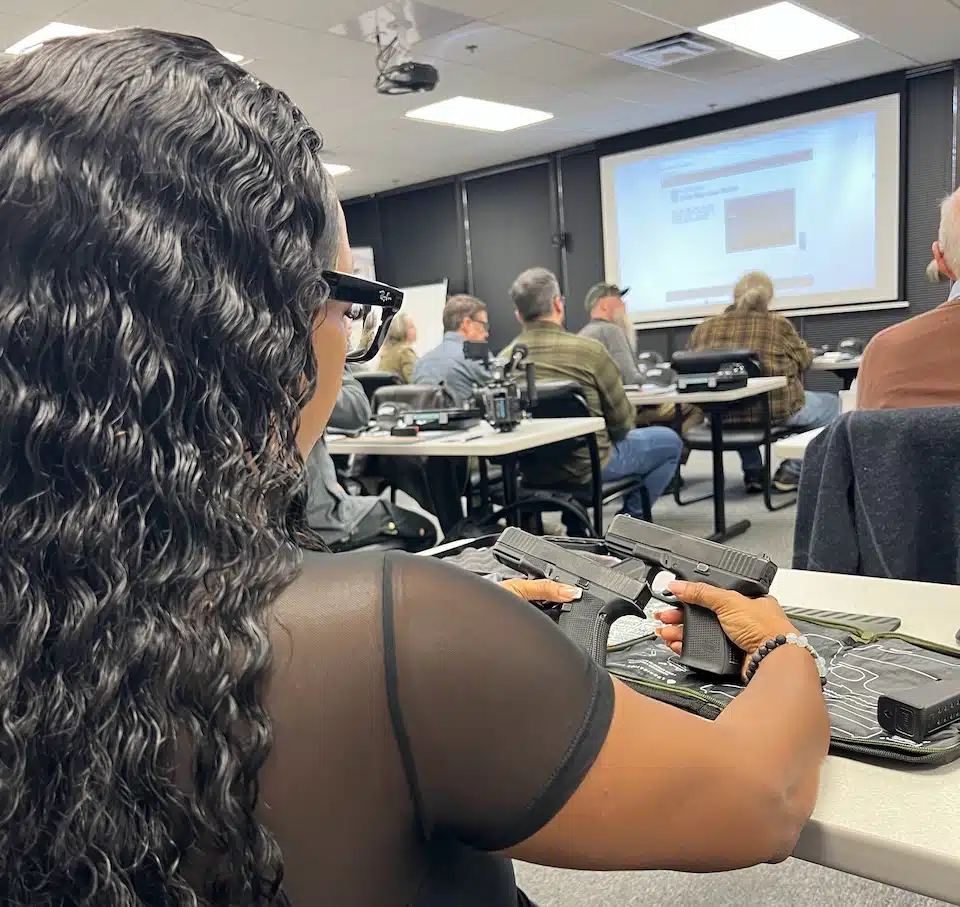
The removal of finger grooves and refinements to grip geometry allow the Gen 5 grip to accommodate different hand sizes and shooting styles. The texture provides sufficient traction for control without feeling overly aggressive during extended handling. For many shooters, Gen 5 strikes a balance between structure and flexibility that feels comfortable and reliable. Gen 5 also offers grip customization through interchangeable back straps, including optional beaver tail configurations. These back straps allow shooters to tailor grip size and add protection from slide bite when needed.
Gen 6: Grip Refinement and What Shooters Feel
Gen 6 builds on that foundation by placing greater emphasis on grip ergonomics and shooter interaction by combining two textures into one. The Gen 6 grip texture (RTF-6) feels intentionally balanced. It combines secure traction with comfort, supporting control without becoming abrasive. A noticeable update is the inclusion of factory-installed beaver tails. These allow the shooter to index the pistol high and tight without concern about slide bite as the slide cycles rearward. The built-in beaver tail also supports consistent grip placement while wearing gloves, without interference or discomfort. By contrast, the Gen 5 requires back straps to achieve a similar effect.
Additional refinements, such as the undercut trigger guard, allow the shooter to establish a higher grip on the Gen 6. The flat-faced trigger also supports consistent finger placement, helping to reinforce a repeatable trigger press, all while maintaining the familiar Safe Action System shooters already trust from GLOCK.
Grip, Control and Practical Use
Grip plays a critical role in control. Gen 5 offers a stable and predictable grip that many shooters already trust. Gen 6 feels slightly more refined in how grip engagement translates into control. Small differences in how the pistol sits in the hand can affect grip pressure, alignment and overall comfort. Over time, those differences influence fatigue and consistency. The Gen 6 grip feels like it is designed to work with the shooter’s hand, rather than requiring constant micro adjustments.

That said, grip fit remains highly individual. While handling a Gen 6 pistol, I noticed I had to make additional grip adjustments due to my thumb bone structure, which caused irritation. This was something I had not experienced with Gen 5, reinforcing how truly personal the grip feels.
With Gen 6, I appreciate GLOCK focusing on the firearm being exactly what the user wants out of the box. This equates to skipping the need for after-market modifications, which can be a good thing. The grip differences between Gen 5 and Gen 6 are not about right or wrong. They are about preference, hand structure and how a shooter prioritizes feel and control over time.

Avery Skipalis is the owner of Skip’s Tactical Solutions, an organization that focuses on empowering women, men and children to make sure that no one else becomes a victim. She gained her firearms experience from the military where she’s been a military firearms instructor for 10.5 years. She’s also a certified NRA rifle and pistol instructor and Glock Advanced Armorer since 2015. She’s attended Sig Sauer Academy, FNH, Special Operations Command Armorers courses as well as multiple Advanced Shooting Schools across the United States. She resides in Florida with her husband and 2 kids. She’s currently serving in the United States Air Force and loves sharing her passion with others. She thinks it’s important that women also feel like they’re in control of their own safety. View all posts by Avery Skipalis