Whether you’re heading to the range for the first time or you’re a seasoned shooter refining your skills, preparation is often overlooked but essential to a successful training session. Arriving with the right equipment saves time and helps you focus on what matters most: developing safe, consistent and effective firearm-handling skills.

A well-stocked range bag is more than a collection of gear; it is an investment in your training. From personal protective equipment to extra magazines and maintenance supplies, every item serves a purpose in helping you maximize your time on the firing line while minimizing unnecessary interruptions. It can also help you avoid the frustration of arriving at the range only to realize you’ve forgotten an essential piece of equipment.
Every productive range session starts with a plan. Before packing your range bag, determine your training objective. Are you working on marksmanship, recoil management, drawing from the holster, reloads or simply becoming more comfortable with your firearm? Establishing a goal before you arrive helps ensure every round fired has a purpose.
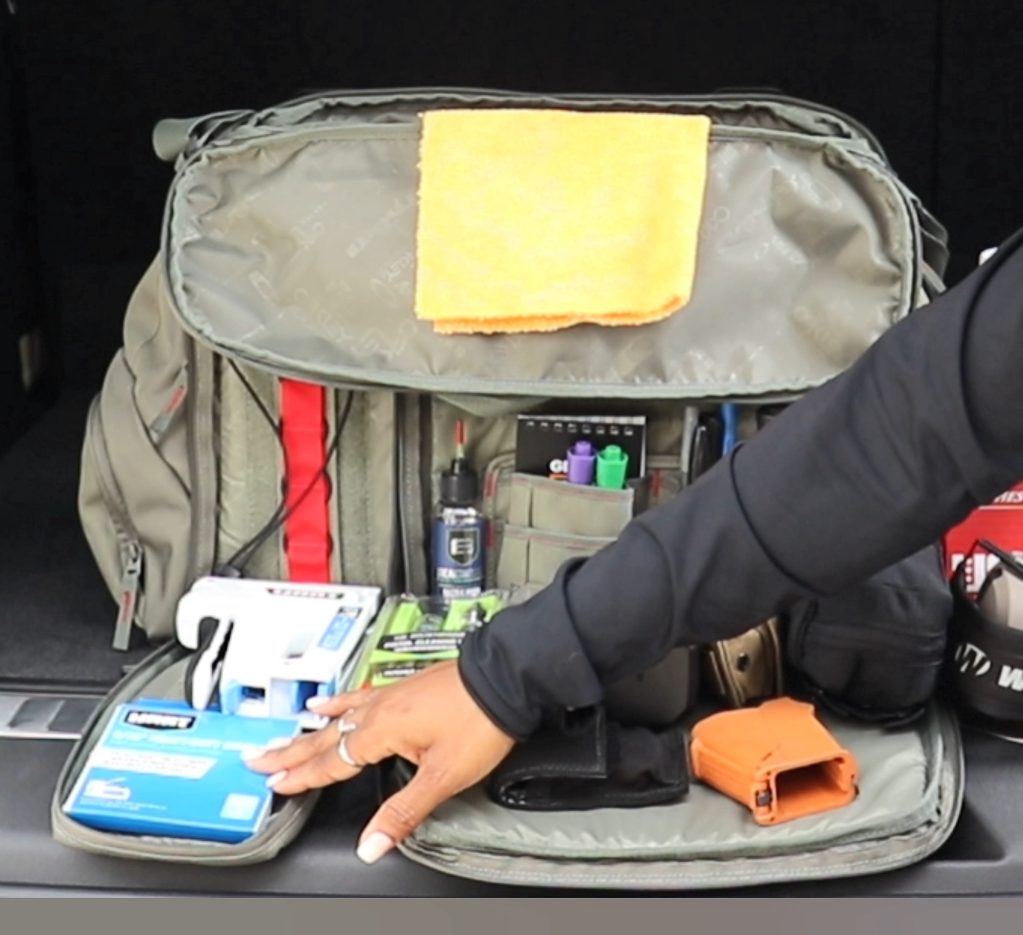
Taking a few extra minutes to verify your equipment before leaving home can help prevent unnecessary delays, eliminate distractions and contribute to a safer, more productive experience for everyone at the range.
While every shooter develops personal preferences over time, there are several items that should be considered essential for every range visit. Although some ranges may provide certain items, I find it best practice to bring my own. These items will always be in my bag:

Having these items readily available helps eliminate unnecessary interruptions and keeps your focus on training instead of troubleshooting forgotten equipment. Water, sunscreen, weather-appropriate clothing and comfortable shoes are often overlooked but can make a significant difference, particularly during outdoor range sessions. Staying comfortable allows you to maintain concentration throughout your training.
One of the simplest ways to improve the efficiency of a range session is by bringing multiple, preloaded magazines. Having multiple magazines ready before you arrive gives you more time to focus on your drills and less time spent stopping to reload. While practicing reloads is an important skill, there are times when the goal is to focus on fundamentals such as sight alignment, trigger control or recoil management. Constantly stopping to reload magazines can interrupt the rhythm of training, contribute to hand fatigue and reduce valuable practice time.

For shooters using slimline GLOCK pistols, the new factory 15-round GLOCK Slim Magazine offers an excellent option for extending training between reloads. The increased capacity allows shooters to spend more time working through drills while maintaining the reliability, fit and performance expected from a factory GLOCK magazine.
Factory GLOCK magazines are engineered specifically for the firearms they support, giving shooters confidence that their equipment will perform consistently throughout training. Whether your goal is defensive training, competition preparation or recreational shooting, dependable equipment allows you to focus on building skills rather than managing equipment.

Simply sending rounds downrange does not always translate into improvement. Every range session should have a purpose and measurable objectives. Whether that means tightening shot groups, improving presentation, refining trigger control or increasing consistency, intentional practice leads to meaningful progress.
Many shooters keep a training journal to record drills, distances, round counts and observations after each session. Tracking your progress not only highlights areas for improvement but also provides motivation as your skills continue to develop over time.
Personally, a successful range session is not measured solely by the number of rounds fired but by the quality of the training accomplished. When you’re prepared before you arrive, you spend less time worrying about forgotten equipment and managing your gear and more time building confidence, consistency and proficiency behind the firearm.

Packing the right equipment, bringing reliable magazines, and setting clear training goals before you leave home can save time, reduce unnecessary stress and help ensure every trip to the range is as productive as possible.

Avery Skipalis is the owner of Skip’s Tactical Solutions, an organization that focuses on empowering women, men and children to make sure that no one else becomes a victim. She gained her firearms experience from the military where she’s been a military firearms instructor for 10.5 years. She’s also a certified NRA rifle and pistol instructor and Glock Advanced Armorer since 2015. She’s attended Sig Sauer Academy, FNH, Special Operations Command Armorers courses as well as multiple Advanced Shooting Schools across the United States. She resides in Florida with her husband and 2 kids. She’s currently serving in the United States Air Force and loves sharing her passion with others. She thinks it’s important that women also feel like they’re in control of their own safety. View all posts by Avery Skipalis