Going to the range and training are not always the same. Sometimes I visit the range for enjoyment, which is perfectly fine. However, when my goal is improvement, I approach my time differently. Before firing the first round, I define my objectives. As a firearms instructor, I have learned that improvement depends on how intentionally you use your rounds, not on the quantity of ammunition fired.

Purposeful training is straightforward. You do not need a complex course of fire or large amounts of ammunition for a productive session. What matters is having a plan, knowing what you want to improve and being willing to evaluate your performance honestly.
Have a Plan Before You Arrive
To make your range time more productive, decide what you want to work on before you arrive. Focusing on one or two specific skills per session, such as accuracy, grip, trigger control, presentation or recoil management, prevents overwhelm and leads to better results. A plan gives you something to evaluate when the session is over. Instead of measuring success by how many rounds you fired, you can ask yourself if your groups became more consistent, whether your presentation improved or if you identified something that needs additional work. Even discovering a weakness can make a range session more productive because you know where to focus next time you train.
Start Slow and Build
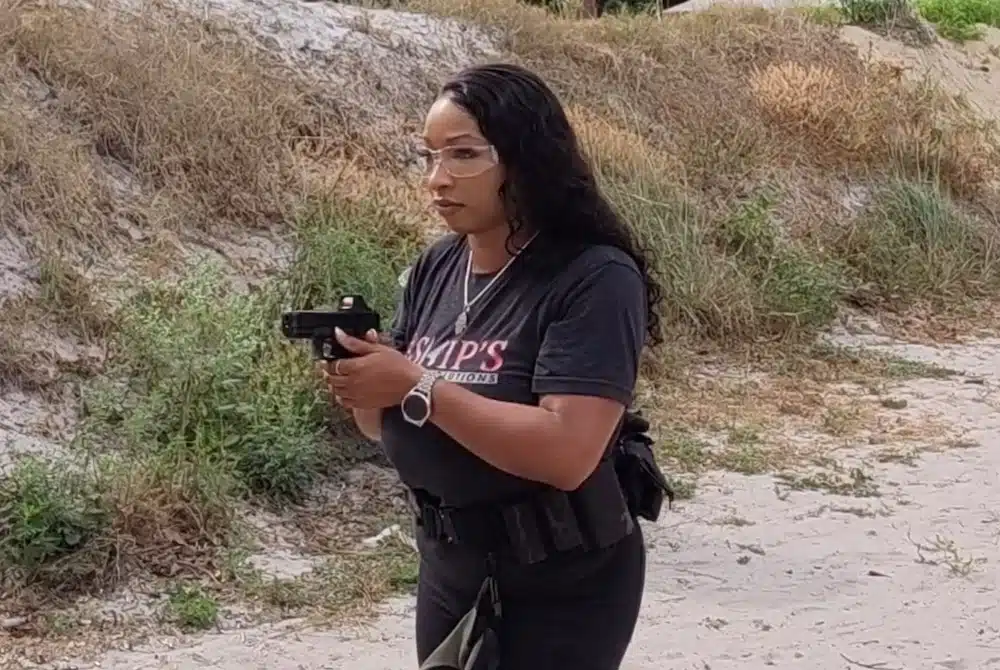
Start slow before you add speed is the approach that I use throughout my own training, and I emphasize it when working with students. Speed is appealing, but it is not valuable without solid fundamentals. Starting slow gives you an opportunity to pay attention to what your body and firearm are doing. Is your grip consistent from one repetition to the next? Are you disturbing your sights as you press the trigger? Are you maintaining control through recoil? Once those movements become consistent, you can gradually increase your pace without sacrificing accuracy or control. I would rather see someone perform a skill correctly at a slower pace and build from there than repeatedly practice poor technique simply because she’s trying to move faster.
Make Every Round Count
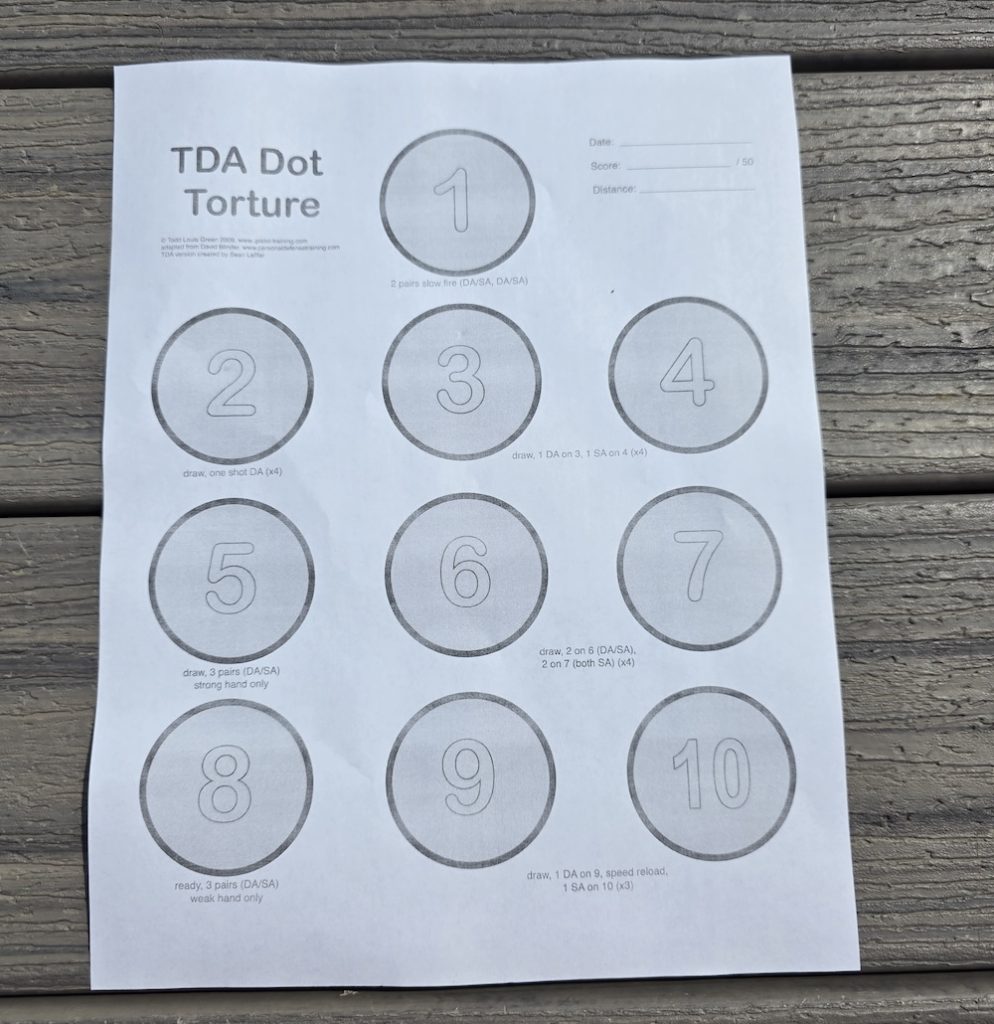
The number of rounds fired does not define a productive session. You can reinforce mistakes with 200 rounds or improve a skill with 50 intentional shots. That’s why I believe every round should have a purpose. After each shot, pause to evaluate your performance. Use a marker to track your hits and consider what happened. If a shot misses your intended mark, do not simply fire again and hope for improvement. Stop, think things through and make adjustments. The cycle of shooting, evaluating, adjusting and repeating is where real learning occurs. Using this approach increases training efficiency. Ammunition and range time are limited, so being intentional helps you maximize both.

Measure Your Progress
A common challenge in training is recognizing improvement without tracking it. You do not need a complex system, but measuring progress provides a baseline and a clear goal. Depending on your goal, track group size, accuracy at various distances, consistency or drill completion times while maintaining accuracy. Take brief notes after each session on successes and areas for improvement. Recording your session with your cellphone and reviewing the footage can also provide valuable insights. The goal is not to compare yourself to others, but to gain an honest understanding of your current abilities and set clear objectives for improvement.
Train What Needs Work
Most people enjoy practicing skills they are already good at, and reinforcing strengths is valuable. However, purposeful training also means dedicating time to weaker areas, even when they are less comfortable to practice. If you consistently struggle with a particular skill, avoiding it will not lead to improvement. Slow down, identify the issue and dedicate time to address it. If you are unsure of your mistakes, consider working with a qualified instructor for objective feedback.

Skip’s Takeaways
Training with purpose does not mean every range visit must feel like hard work. Shooting should remain enjoyable. The key is to be intentional when improvement is your goal: have a plan, focus on quality repetitions, measure your progress and address challenging skills.
At the end of a session, I do not measure success by the number of empty ammunition boxes, but by whether I have improved. I aim to learn, strengthen a skill or identify areas for further work. With purposeful training, every round is an opportunity to become a safer, more confident and more capable shooter.

Avery Skipalis is the owner of Skip’s Tactical Solutions, an organization that focuses on empowering women, men and children to make sure that no one else becomes a victim. She gained her firearms experience from the military where she’s been a military firearms instructor for 10.5 years. She’s also a certified NRA rifle and pistol instructor and Glock Advanced Armorer since 2015. She’s attended Sig Sauer Academy, FNH, Special Operations Command Armorers courses as well as multiple Advanced Shooting Schools across the United States. She resides in Florida with her husband and 2 kids. She’s currently serving in the United States Air Force and loves sharing her passion with others. She thinks it’s important that women also feel like they’re in control of their own safety. View all posts by Avery Skipalis